Bringing AI into
how media sellers build proposals
Sellers had a tool that recommended media plans they couldn’t explain to clients. As the first and lead designer, I brought an AI assistant, Maverick, into the proposal flow one capability at a time, and prototyped it in working code. Maverick is now used by 50% of clients, and the proposal win rate went from 9% to 37%.
- Role
- Lead product designer, researcher, front-end contributor
- Team
- 2 PMs, 15 engineers
- Timeline
- Nov 2025 to present
The short version
- It started with a plan no one could explain
The old proposal tool recommended a plan but never said why. Sellers couldn’t defend the plan in front of a client, so most proposals never became campaigns.
- So I listened first, then added AI one step at a time
I talked to sellers first, then brought AI in one capability at a time: explain the plan, answer questions, then make changes with the seller’s approval. I designed each stage and built working prototypes in code.
- Today, sellers have agents on their side
Maverick AI, the seller agents, is in production, and 5 of the platform’s top 10 clients are already on board. Building a proposal went from 8 manual steps to 4, with the agents beside every step.
Win rate is the share of proposals that become live campaigns. It was 9% in 2024. These are results measured after launch.
The problem
A black box sellers couldn’t explain
A media seller turns an advertiser’s vague goals into a technical media plan, often live on a call. The old tool, Smart Proposal, recommended tactics, locations and budgets from past campaigns, behind an 8-step wizard.
The tool never showed why it chose them, and sellers won’t send a plan they can’t defend. After Madhive merged with Frequence, I was asked how generative AI could close that gap without slowing sellers down.
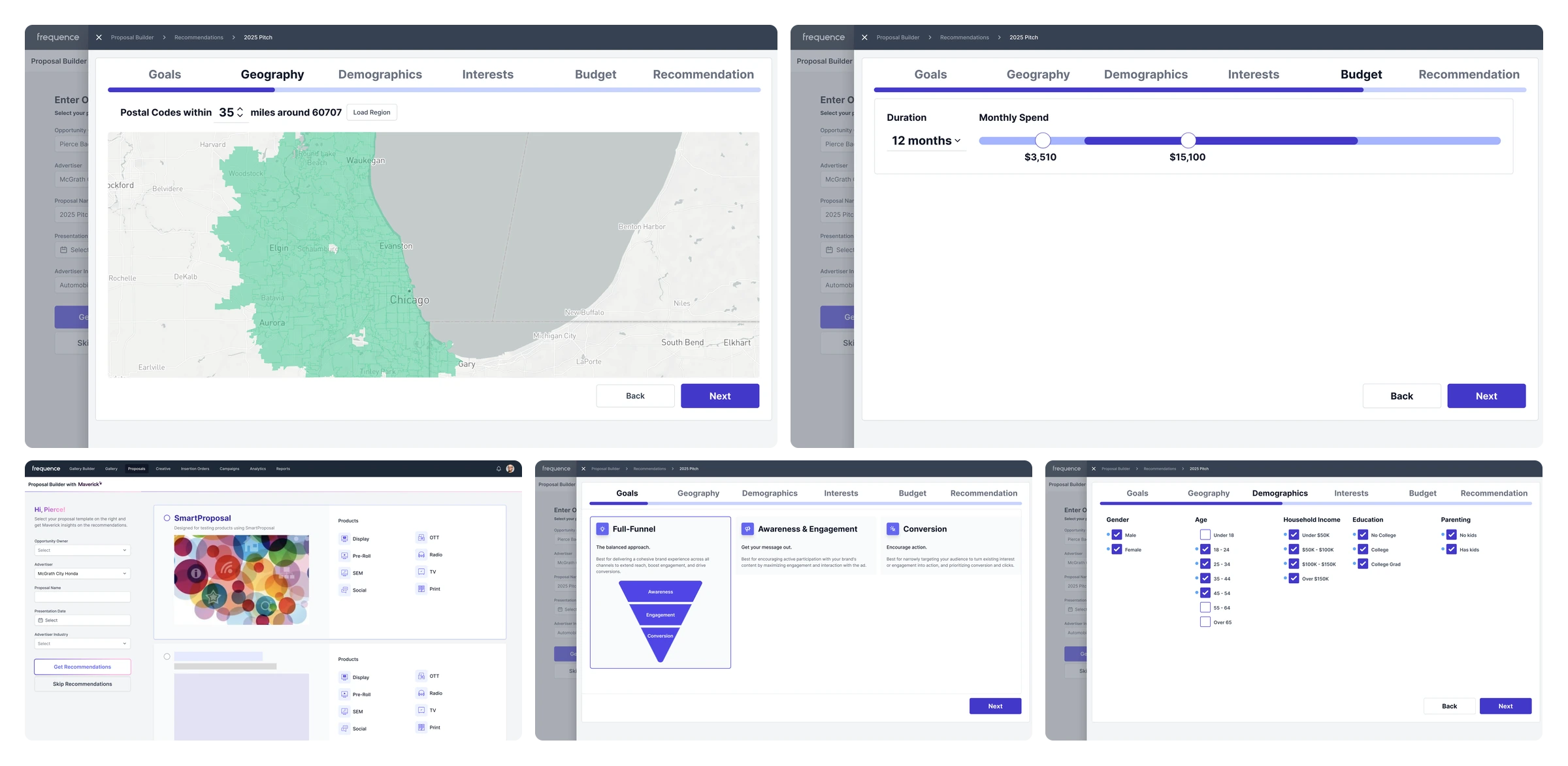
9%win rate in 2024: the share of proposals that became live campaigns
Each screen asks for input; none explains its suggestion.
My role
I designed Maverick and prototyped it in working code
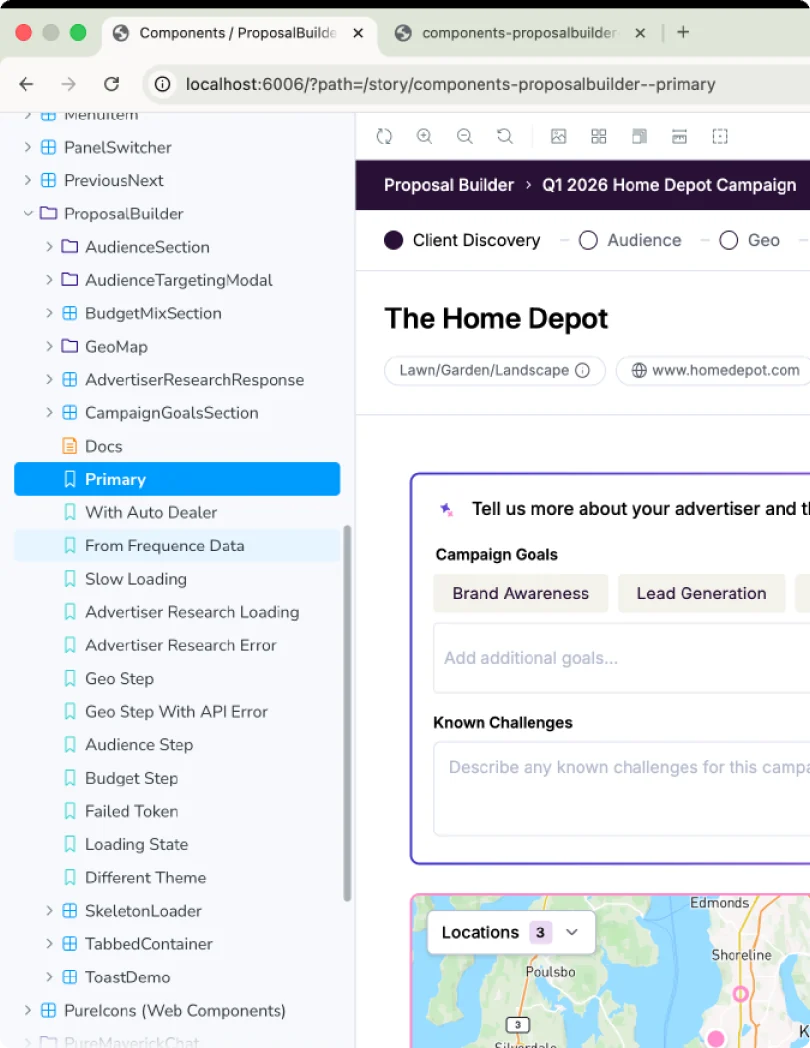
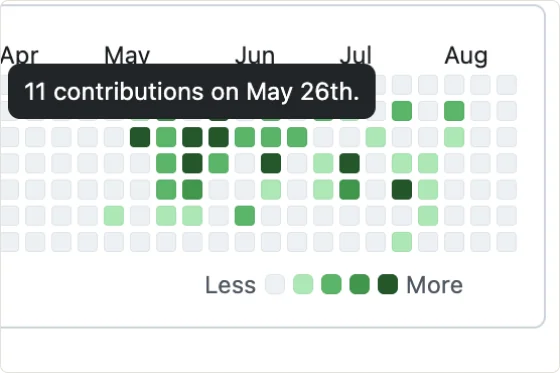
I was the first on the team to design and build in parallel with Claude Code. Instead of static mockups, I prototyped directly in the codebase, so stakeholders reacted to real AI output and engineers got working components.
Led the design of every Maverick stage: the insights panel, the Q&A chat, the action cards and the new 4-step flow.
Talked to sellers before designing, and brought what they needed into each stage.
Built the proposal builder as Storybook components, pushed front-end PRs, and wrote skills so PMs and engineers can generate on-brand prototypes.
- AI-assisted research
- Prototype in code
- Stakeholder review
- Fine-tune in Figma
- Push PR
- Design QA
The approach
Shut up and listen
The first plan was to have AI fill in whole proposals at once. I paused that and talked to sellers. Their problem was trust: they couldn’t defend a plan they didn’t understand, and an assistant that rewrote the plan for them would make that worse.
So I proposed a ladder: Maverick earns the right to act. Each stage was useful on its own, shipped beside the existing screens, and set up the next one.
- Stage 1 · Explain
Maverick explains the plan
An insights panel beside each step gives the reasoning behind every recommendation in plain language. The panel sat next to the existing screens, so it could ship first without a redesign.
- 3–5 insights per step, never a wall of text
- Backed by charts a seller can drop into the client deck
Next: let sellers ask their own questions.
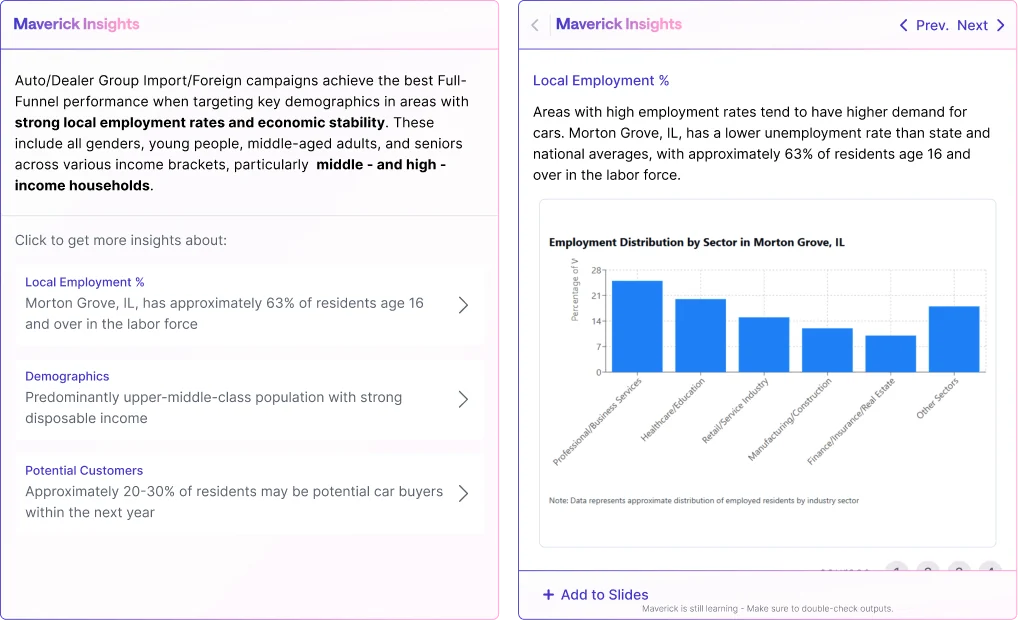
A summary, then one-click drill-downs with the chart behind each claim. - Stage 2 · Answer
Sellers ask Maverick
Ad-tech is full of jargon sellers have to explain to clients. Sellers can ask Maverick about any term or concept, right in the product.
- Sourced from sales training docs, onboarding material, case studies and FAQs
- A reusable chat component, adopted on both platforms
Next: with the panel and chat in place, let Maverick suggest changes.
A seller asks a question and gets an answer with its sources. - Stage 3 · Act
Maverick proposes, the seller approves
Maverick proposes a change and the seller confirms the change in one click. The hard part was knowing when not to act.
- Mapped requests with backend engineering: a clear instruction versus a vague ask
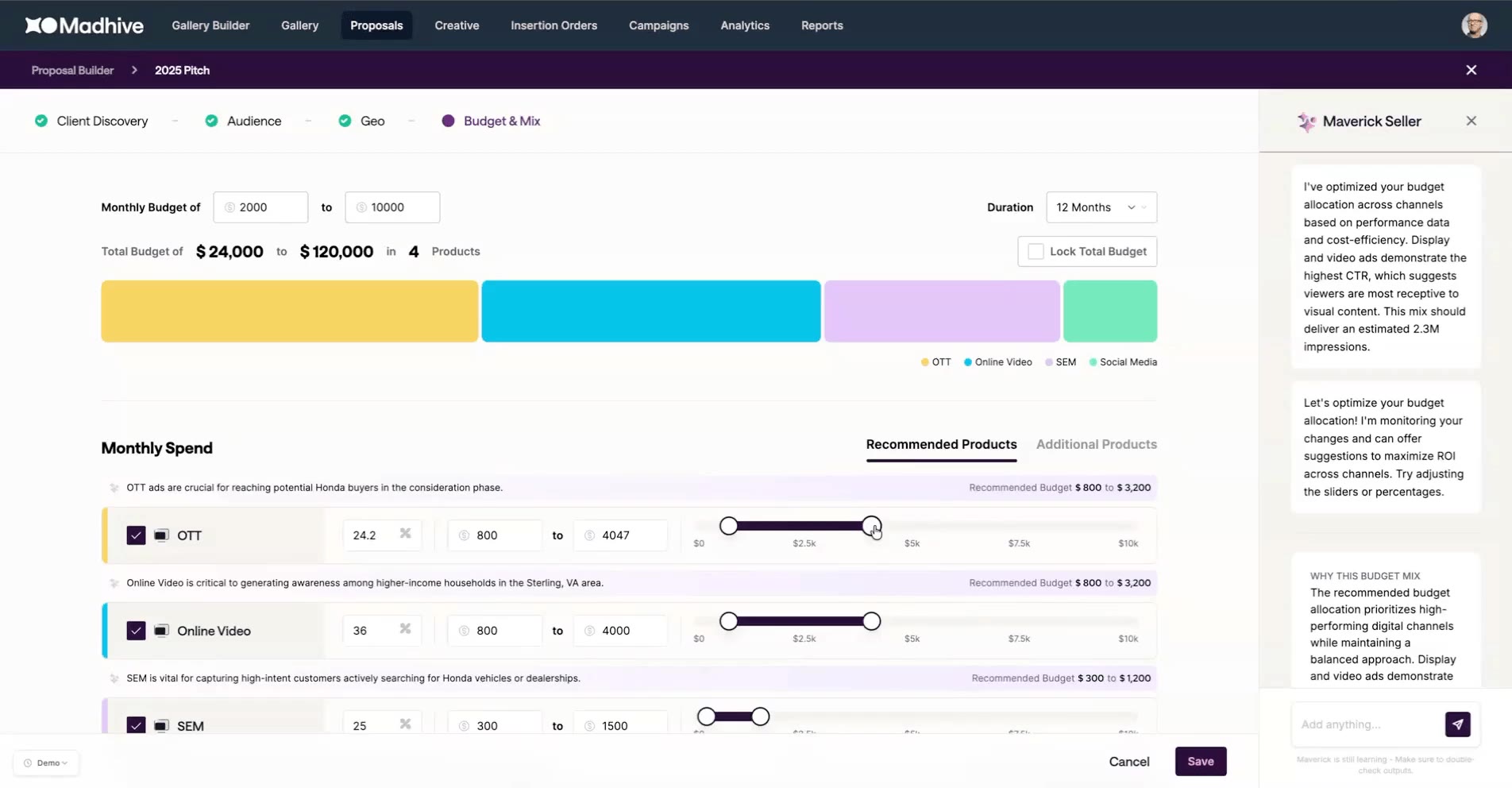
- A card for every outcome: options, side by side, vague change, capability limit, failure
- Nothing changes silently: apply, ignore, undo, and a warning when a suggestion goes stale
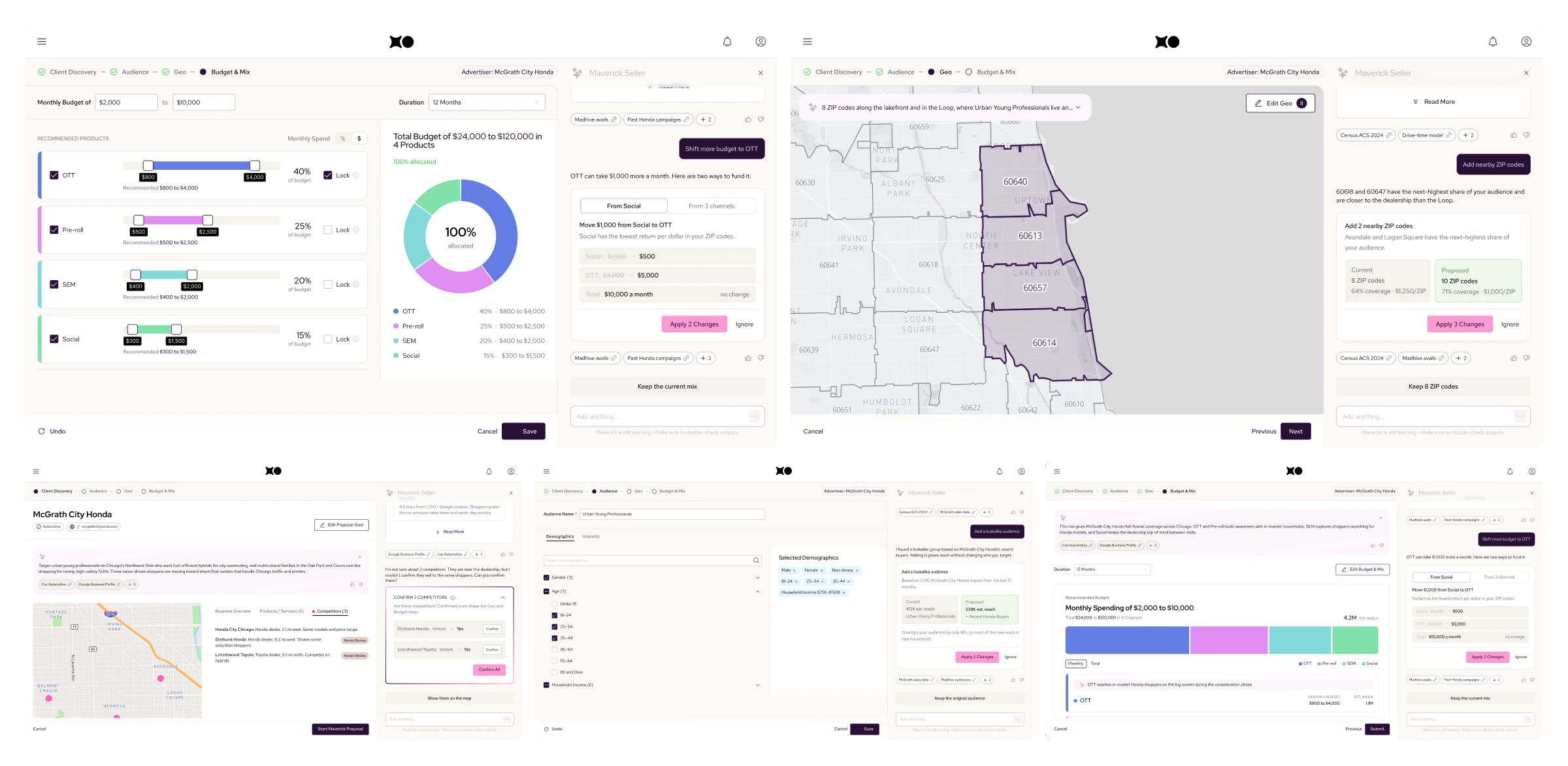
Together, the three stages became the new proposal flow below.
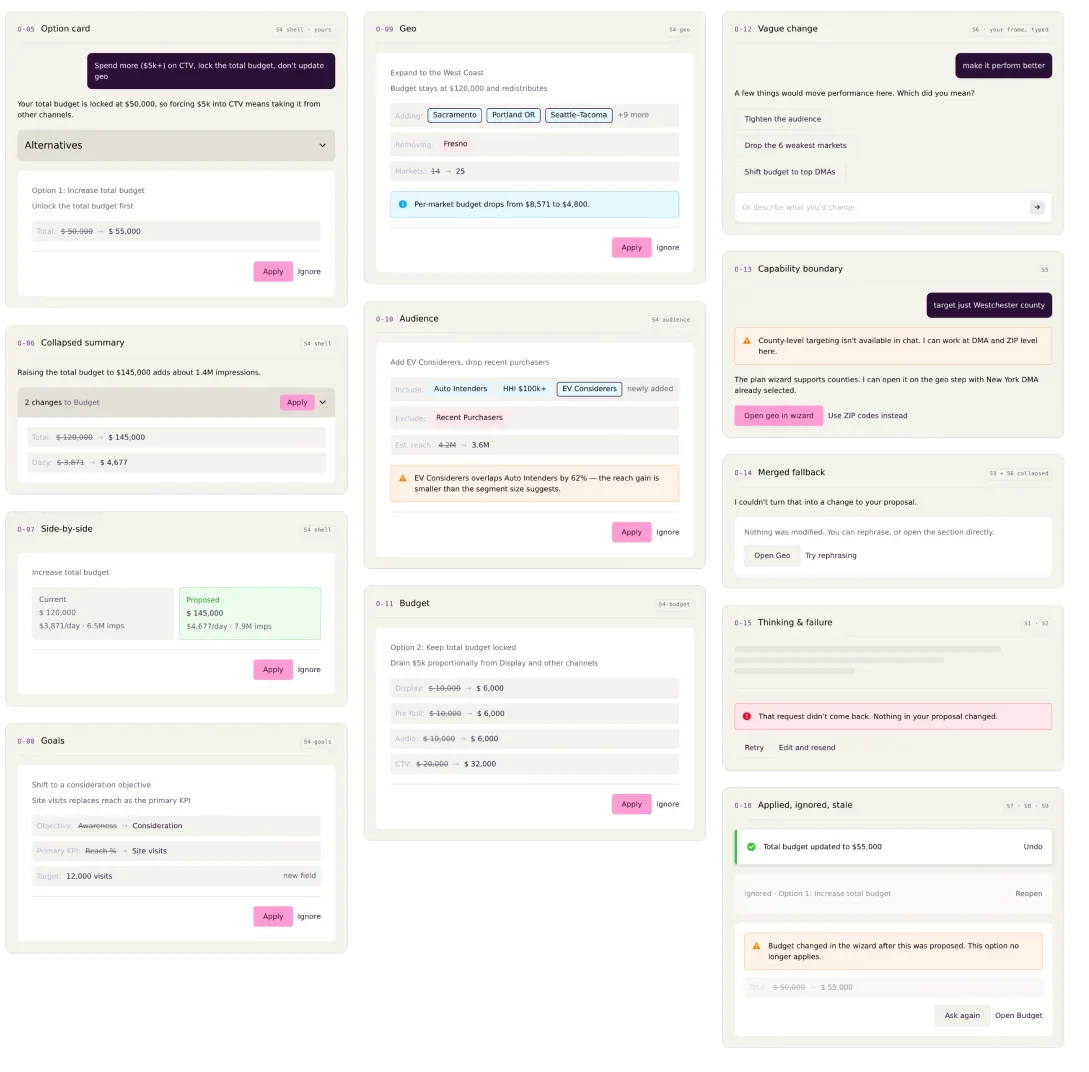
The response cards: the happy path and every way a request can go wrong.
What shipped
Agents recommend, the seller approves
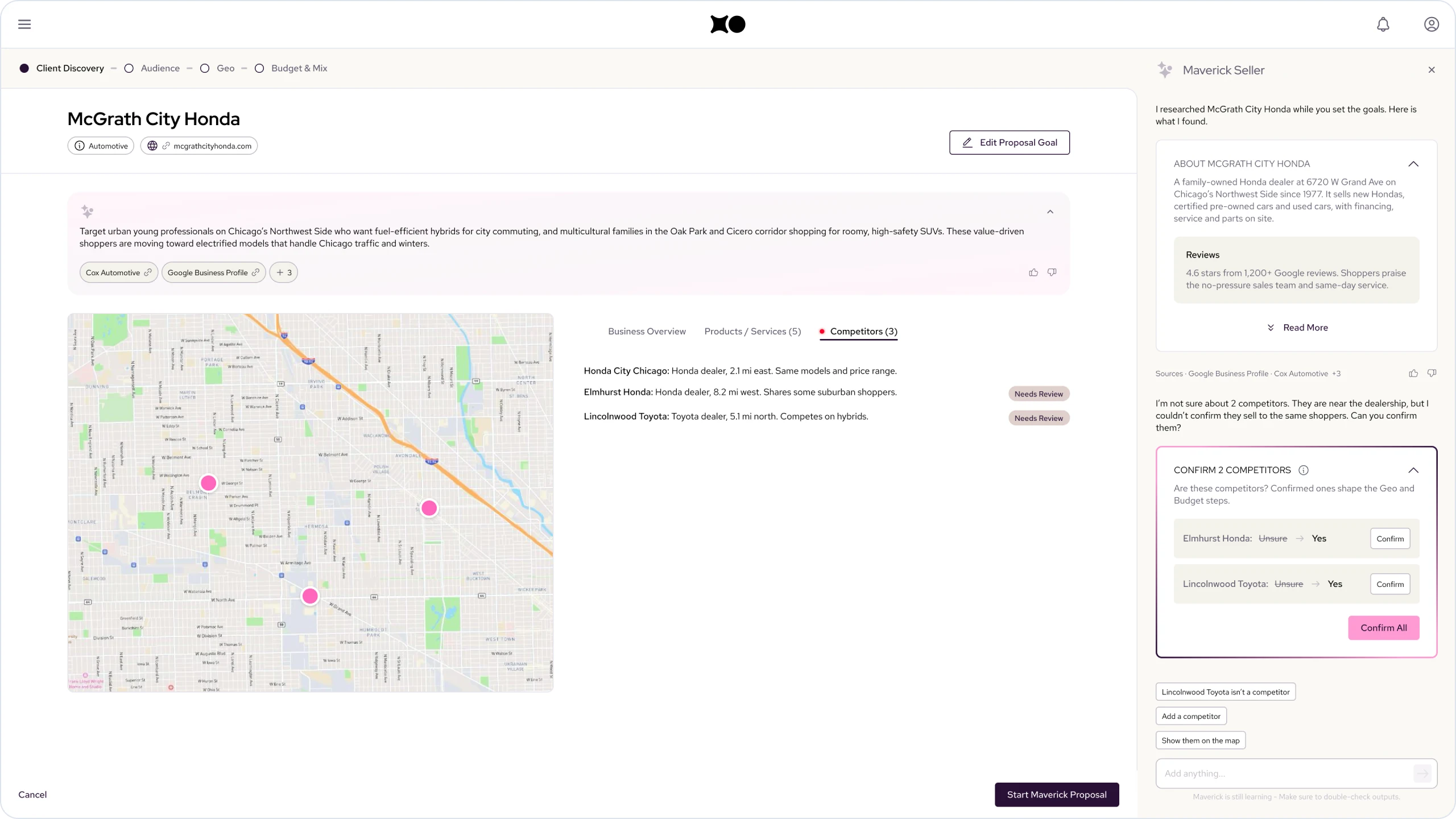
The three stages came together in the new proposal flow, now in production. It went from 8 manual steps to 4: Maverick researches the client before the seller starts, then sits beside every step.
Some details are left out because this project is under NDA. Contact me for more details at qinglu.design@gmail.com.
Select a step to see it larger.
The deck
Walk through the project
The slides I present in interviews. Some details are left out because this project is under NDA; the full version is available on request.
Want the full story? The complete deck covers research, iterations and launch results.
Email me for access: qinglu.design@gmail.com
Or discover inventive designs, creative solutions, and successful collaborations that demonstrate my knowledge and enthusiasm for AI, DataVis and more.