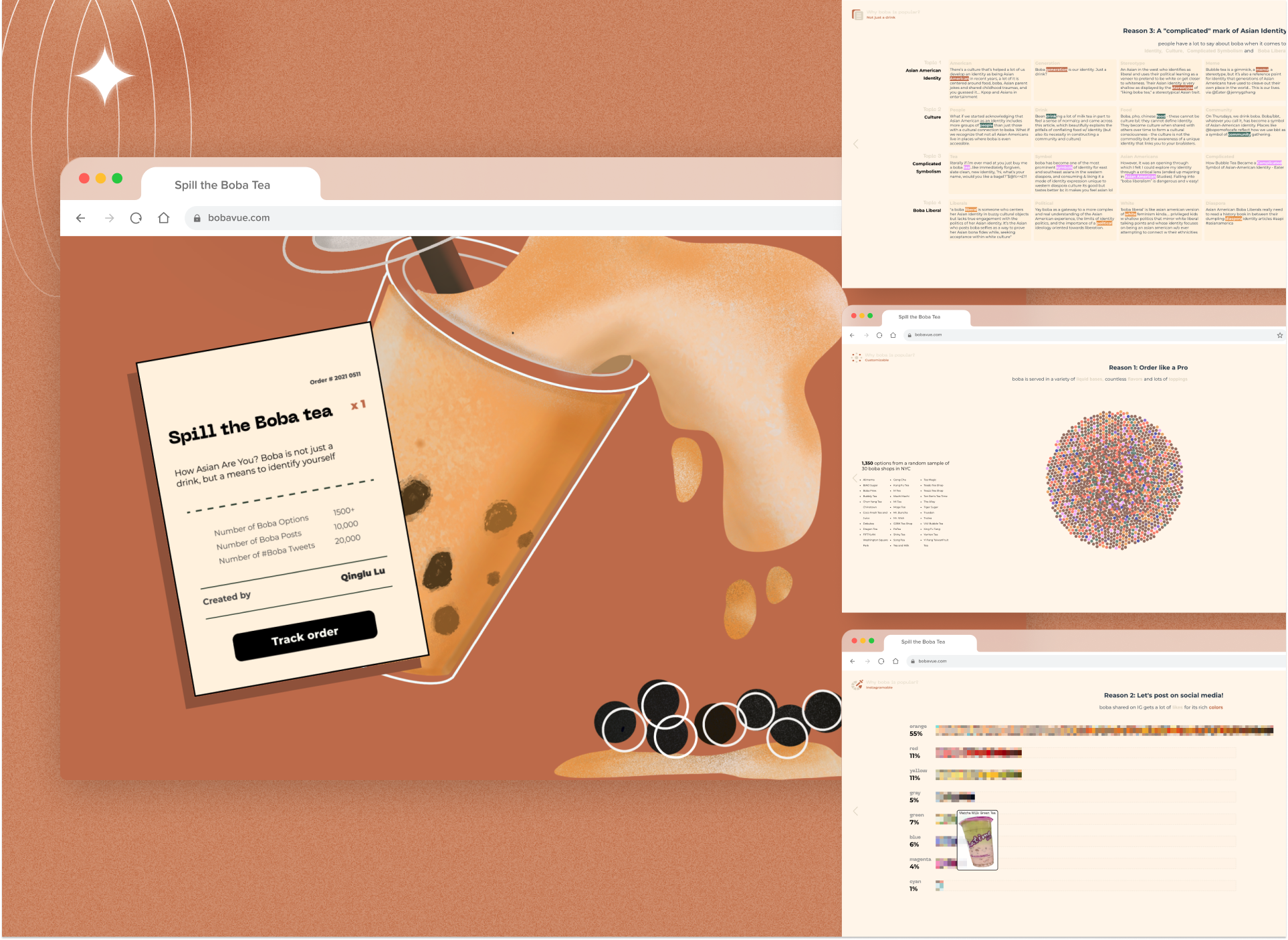
Surface Climate Risk
for Local Vulnerable Populations
Translated complex environmental data into an intuitive, agentic experience, turning raw climate intelligence into a practical, life-saving tool for under-resourced communities.
Solo Designing for Resilience
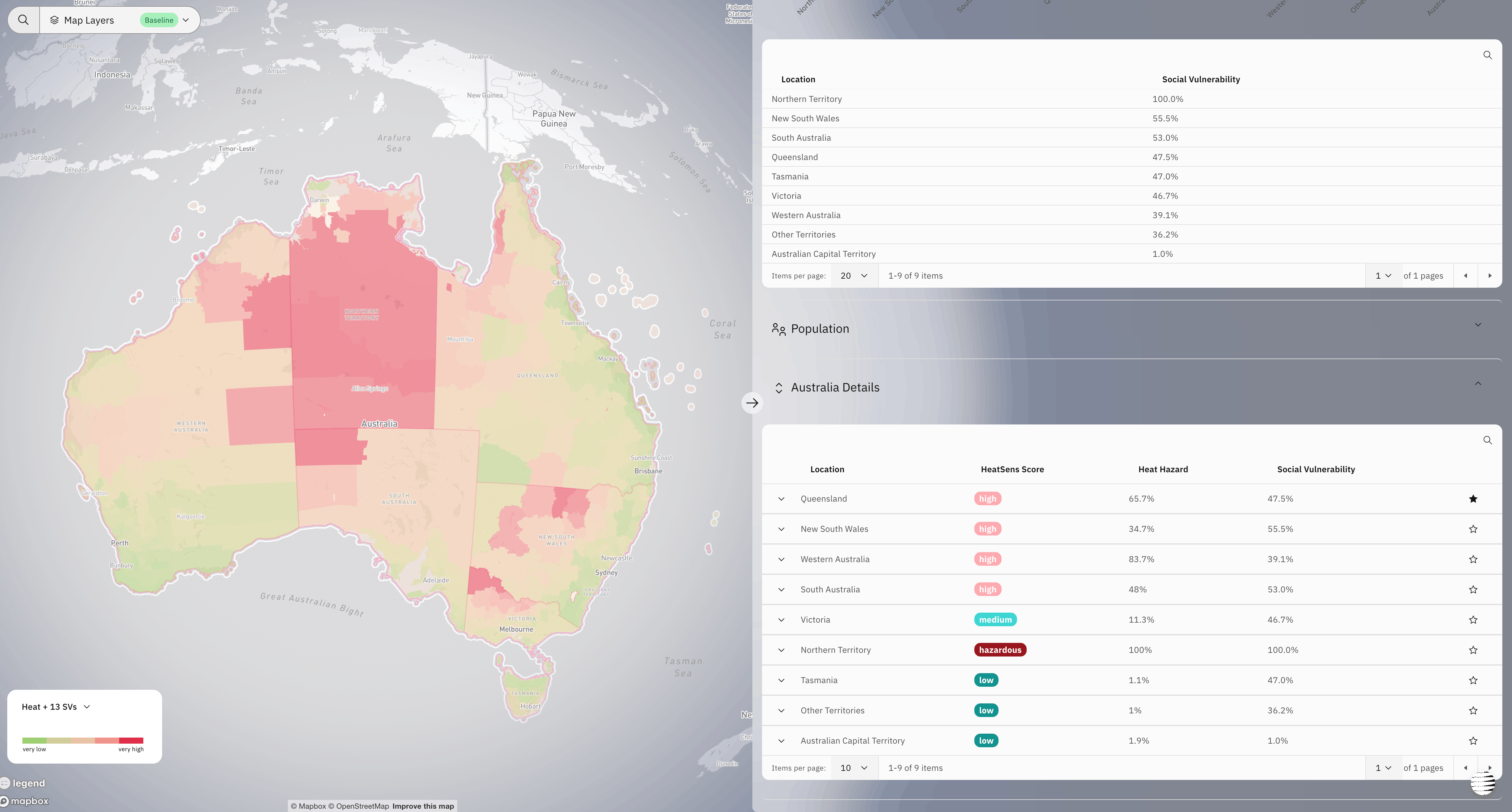
In fall 2021, a former design lead reached out to me about ClimaSens. Knowing my passion for environmental sustainability and renewable energy, they invited me to lead the design for a platform that could fundamentally shift how cities prepare for climate change. I joined in October 2021 and took ownership of the entire design and re-design of the product’s core features.
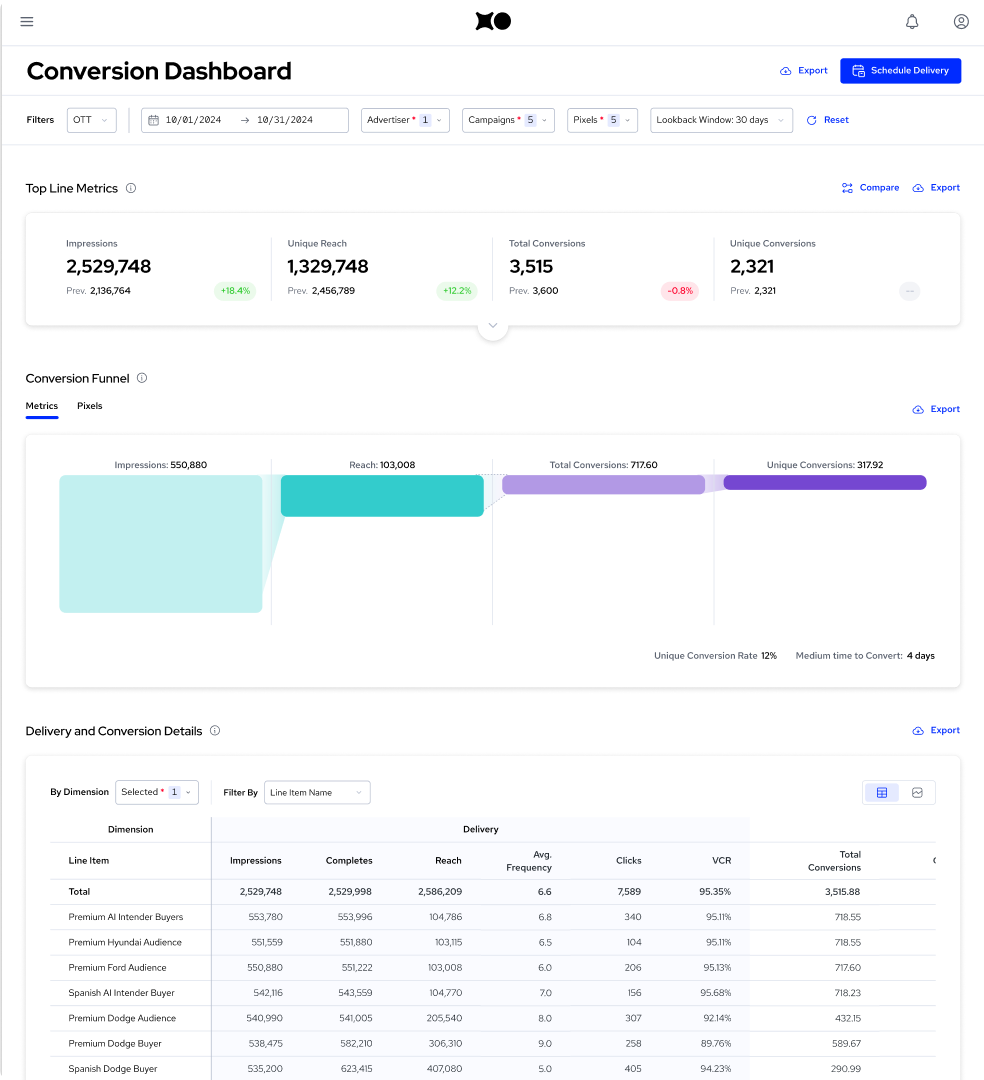
Working with stakeholders like the City of Stockholm, the City of Melbourne, and Red Cross Australia, I transformed ClimaSens into a high-utility SaaS platform. My work centered on helping these organizations benchmark climate resilience by monitoring risks and past impacts to better predict future environmental performance.
Climate IQ
The success of our work at ClimaSens led to an inflection point: securing a $5 million grant from Google.org to build ClimateIQ. The tool was envisioned as a free, open-access platform to democratize climate-risk intelligence for the world’s most under-resourced communities, partnering with The New School Urban Lab and Google.org to translate research-grade climate data into something a local council, NGO, or organizer could actually open and act on.
Map but not only a Map
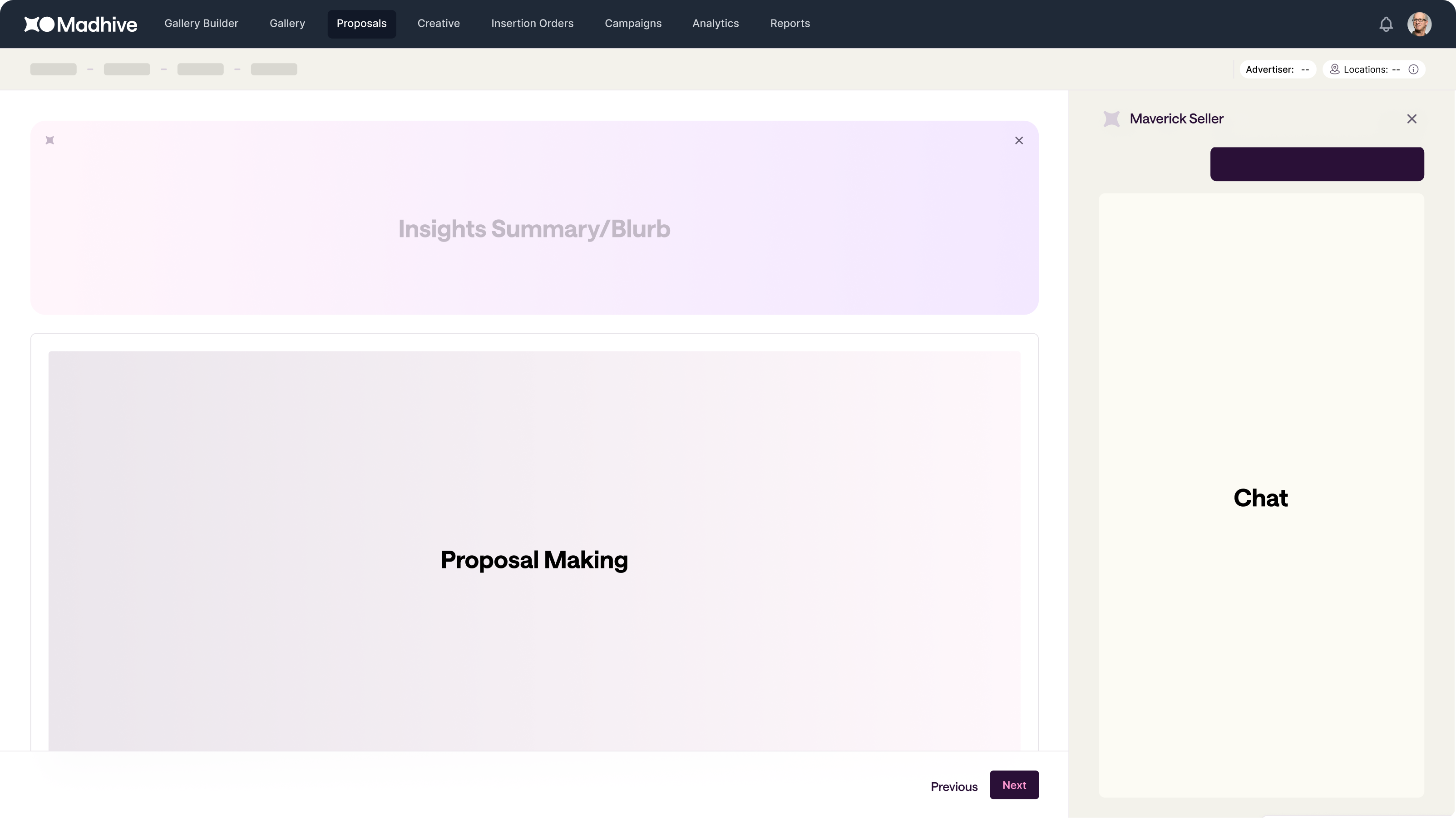
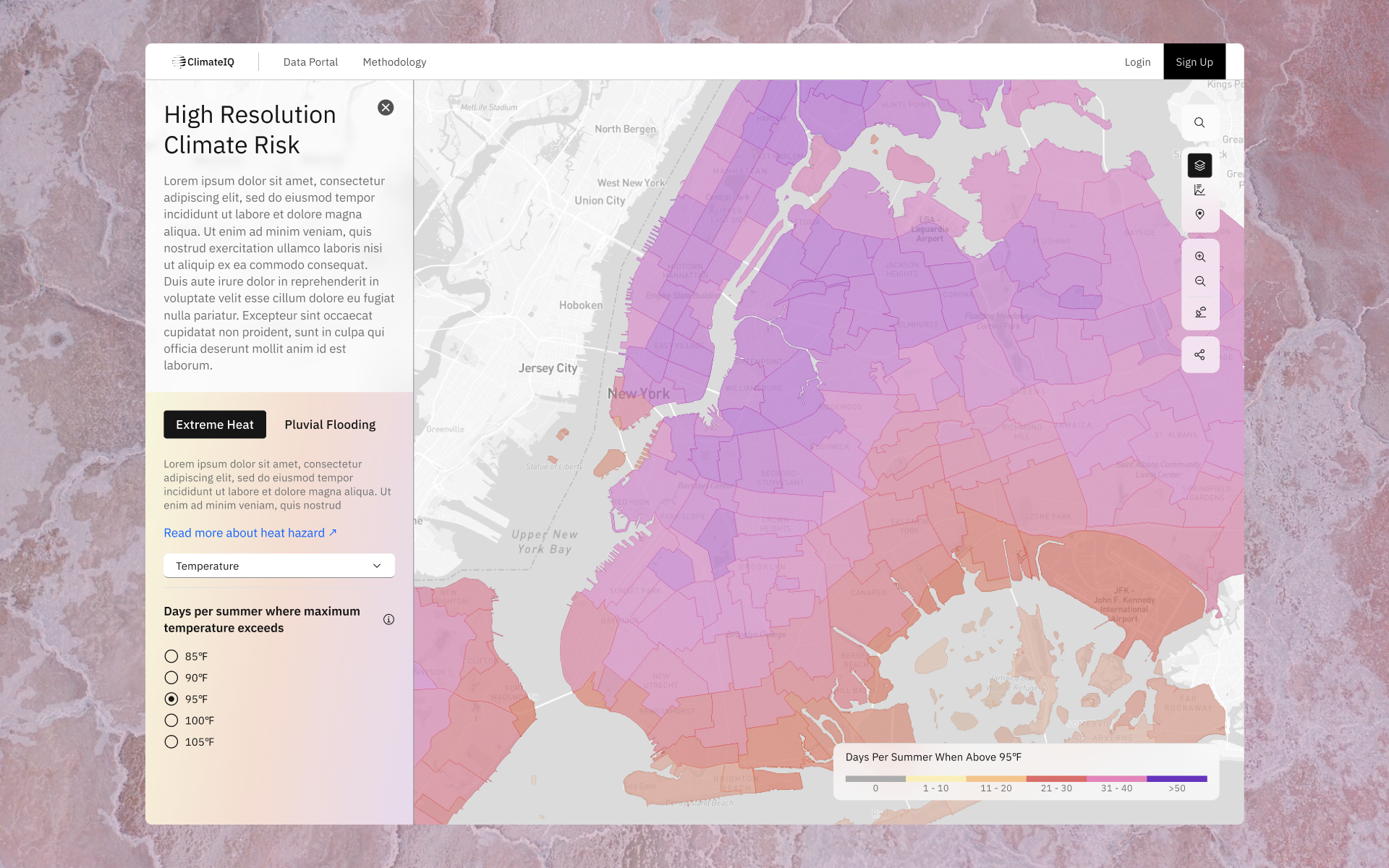
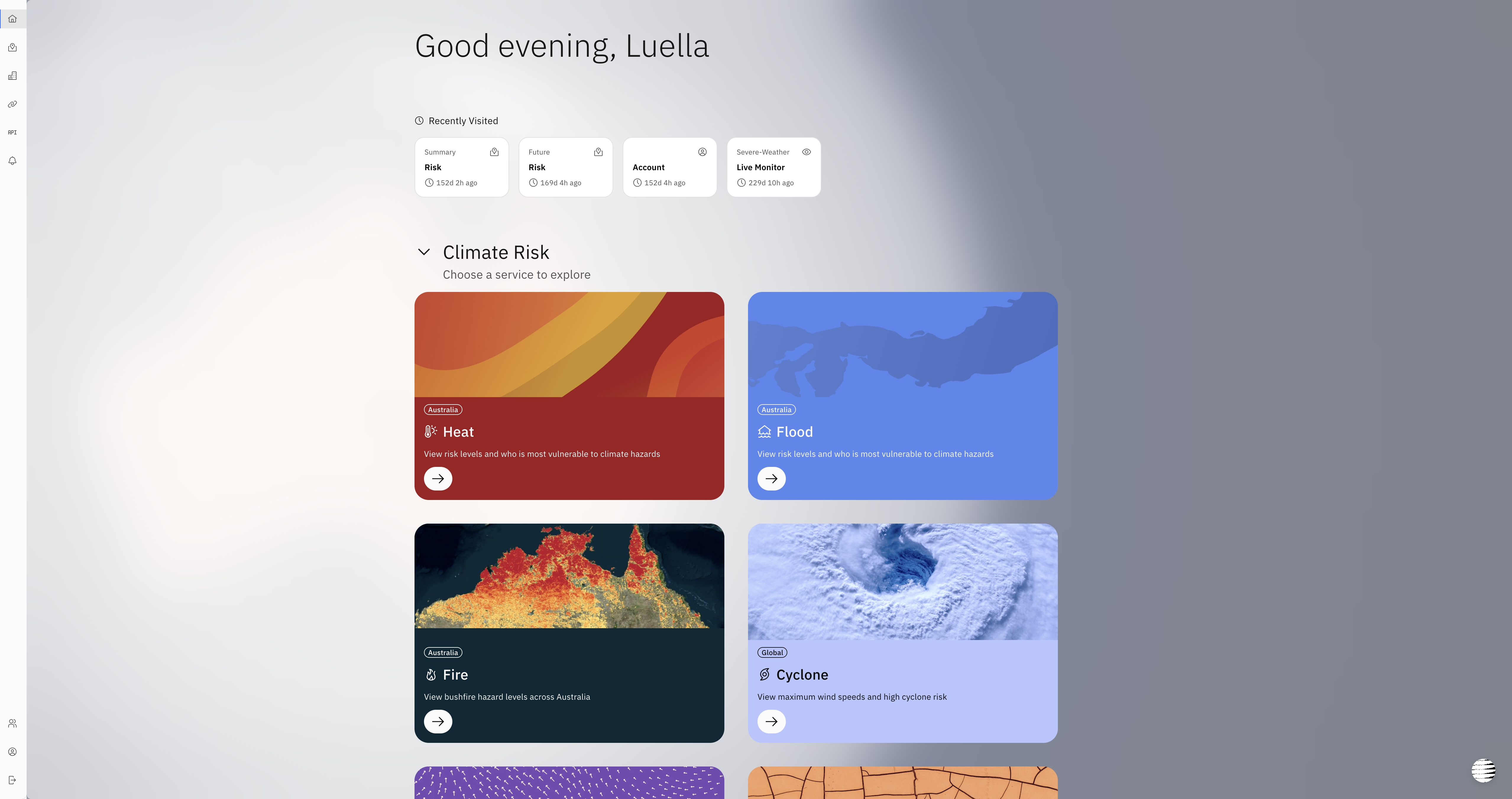
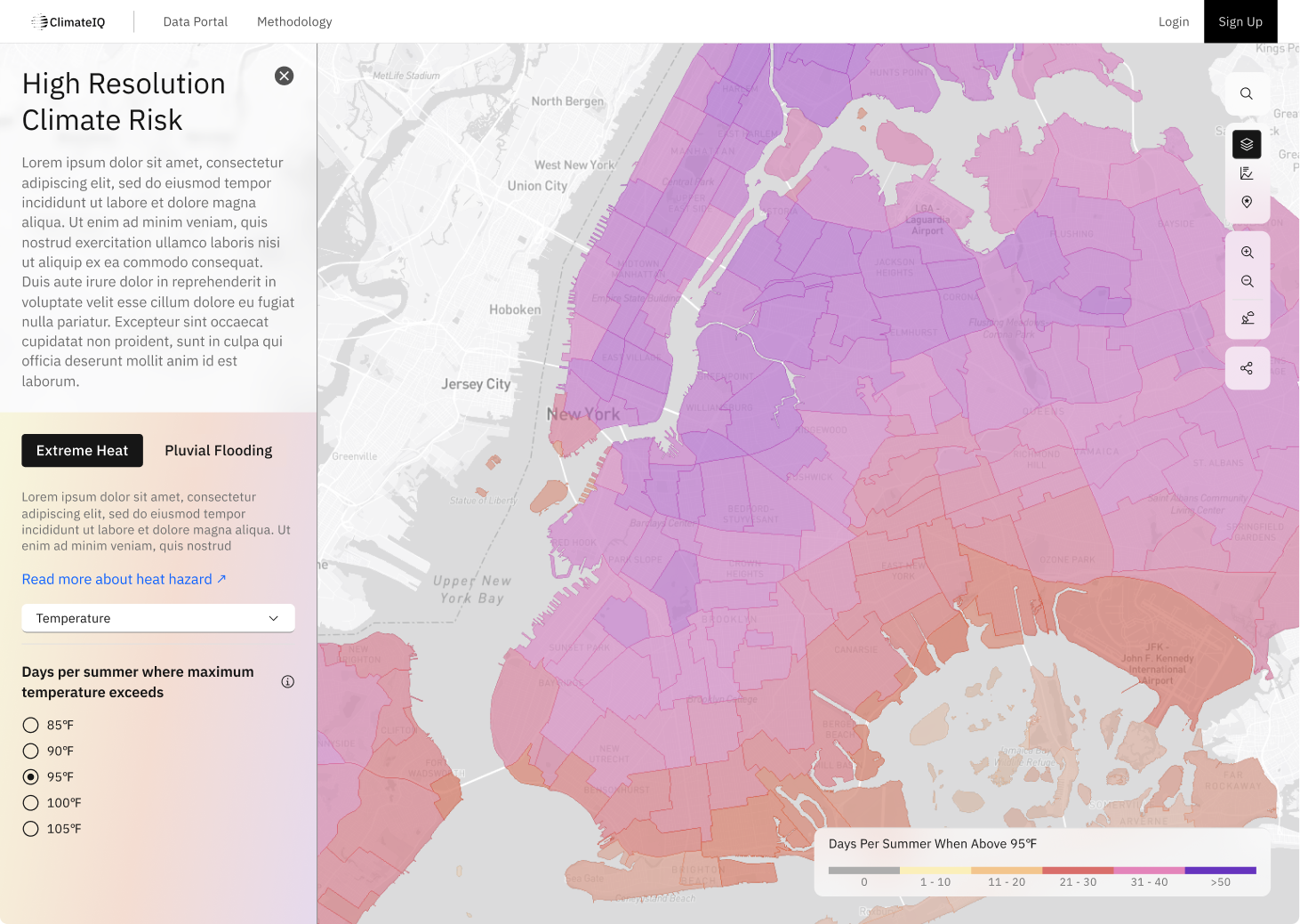
To deliver high-resolution, localized insights into rainfall-induced flooding and critical heat indices, I translated complex environmental data into an intuitive, agentic experience. The map is the starting point, but the experience layers in actions, briefings, and an at-a-glance summary designed for people who don’t have a GIS team behind them.
Every interaction was tested with the kind of users Google.org wants this in front of: local council staff, mutual-aid organizers, climate-resilience researchers, and front-line health workers. Their feedback drove the “less map, more answers” direction.
Scalable Designs for the Future
To drive the project’s strategic success, I developed a high-efficiency multi-hazard layout that simplified simultaneous risk visualization, allowing our team to hit the aggressive 2024 Climate Week deadline.
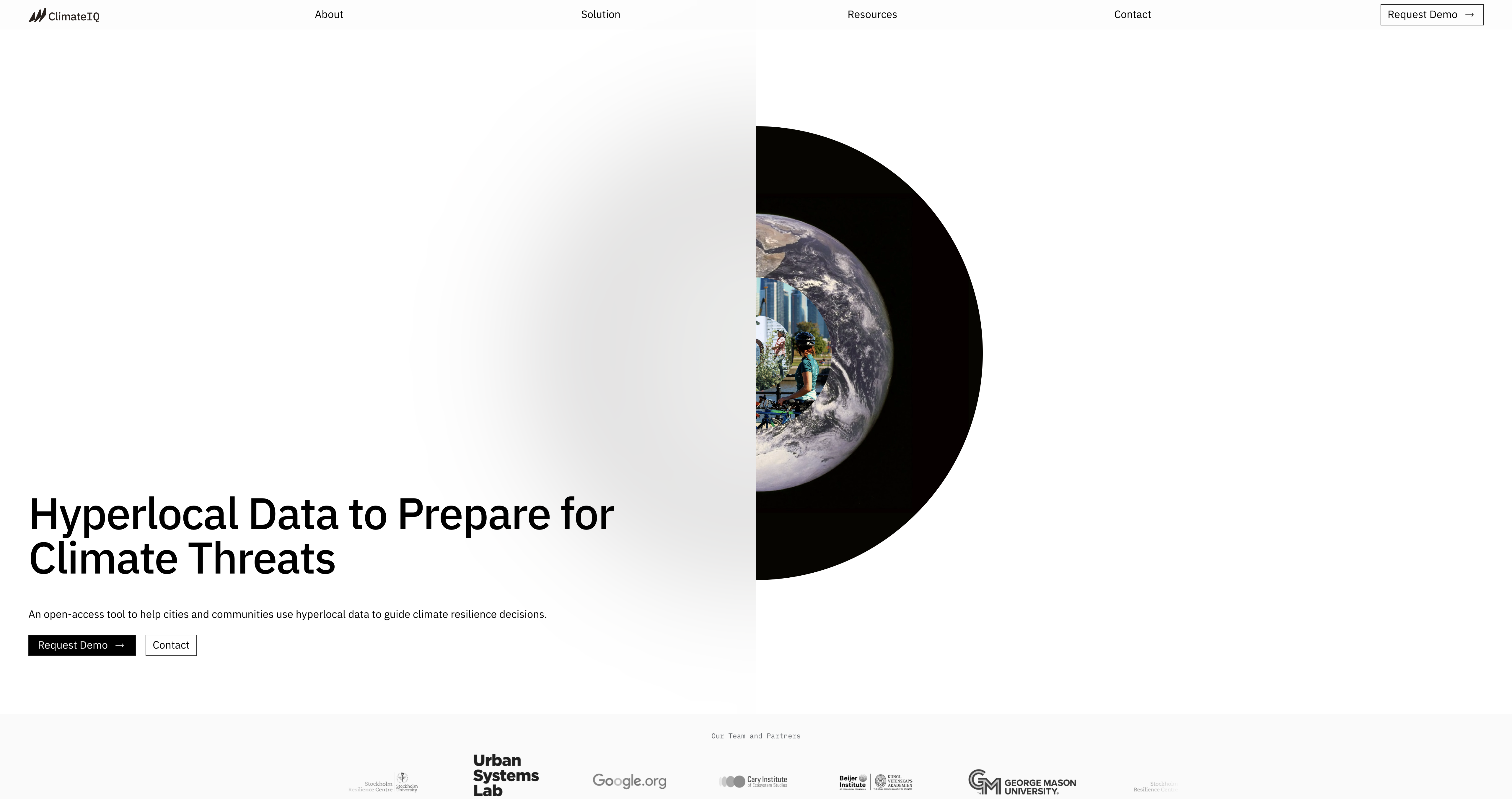
I took a hands-on approach to the technical execution by using Storybook to streamline the design system for our engineers, guaranteeing a responsive and pixel-perfect build. This work, paired with a comprehensive redesign of the platform and landing page, was a key factor in attracting and onboarding the high-profile global partners now anchoring the platform.
Want the full story? The complete deck covers research, usability testing and launch.
Email me for access: qinglu.design@gmail.com
Or discover other inventive designs, creative solutions, and successful collaborations across AI, DataVis, and more.